
The first shower after surgery is the moment most people look forward to and hesitate over the most. "Can the wound get wet?", "May I use soap?" are asked at every follow-up visit. The answer depends on which operation you had and on how the wound was closed.
The framework below summarises usual practice; ask your surgeon for the timing that applies to you in writing when you are discharged.
When is the first shower?
- If the wound was covered with a waterproof dressing, showering is usually allowed earlier.
- With a classic dressing, you wait until the dressing change and until the wound has closed.
- If there are drains, showering usually comes up after the drains are removed.
- When in doubt, waiting is safer than trying early.
How should you shower?
- Use lukewarm water; very hot water increases swelling and may cause dizziness in the first days.
- Do not hold the water directly on the wound line; let it run over the area.
- Do not rub or use a washcloth on the wound area; do not leave soap sitting on it.
- Choose an unscented, neutral soap; do not apply antiseptic solution unless your doctor has asked for it.
- Dry by patting; do not rub with the towel. Use a clean, separate towel.
- Do not use hot air from a hairdryer; sensation in the area may be reduced and a burn may go unnoticed.
- After the shower, put the tape or garment back exactly as your surgeon described.
Bath, sea, pool and sauna
Showering and immersing yourself in water are different things. Getting into a bath, the sea or a pool before the wound has fully closed increases the risk of infection, while a sauna or steam bath can markedly increase swelling.
| Activity | General approach |
|---|---|
| Shower | From the day stated by your doctor, following the rules above |
| Bath / long soak | Wait until the wound has closed completely and your doctor agrees |
| Sea and pool | A wait of several weeks is usually requested; the decision is your doctor's |
| Sauna, steam bath, hot mud | Not advised until the swelling has fully settled |
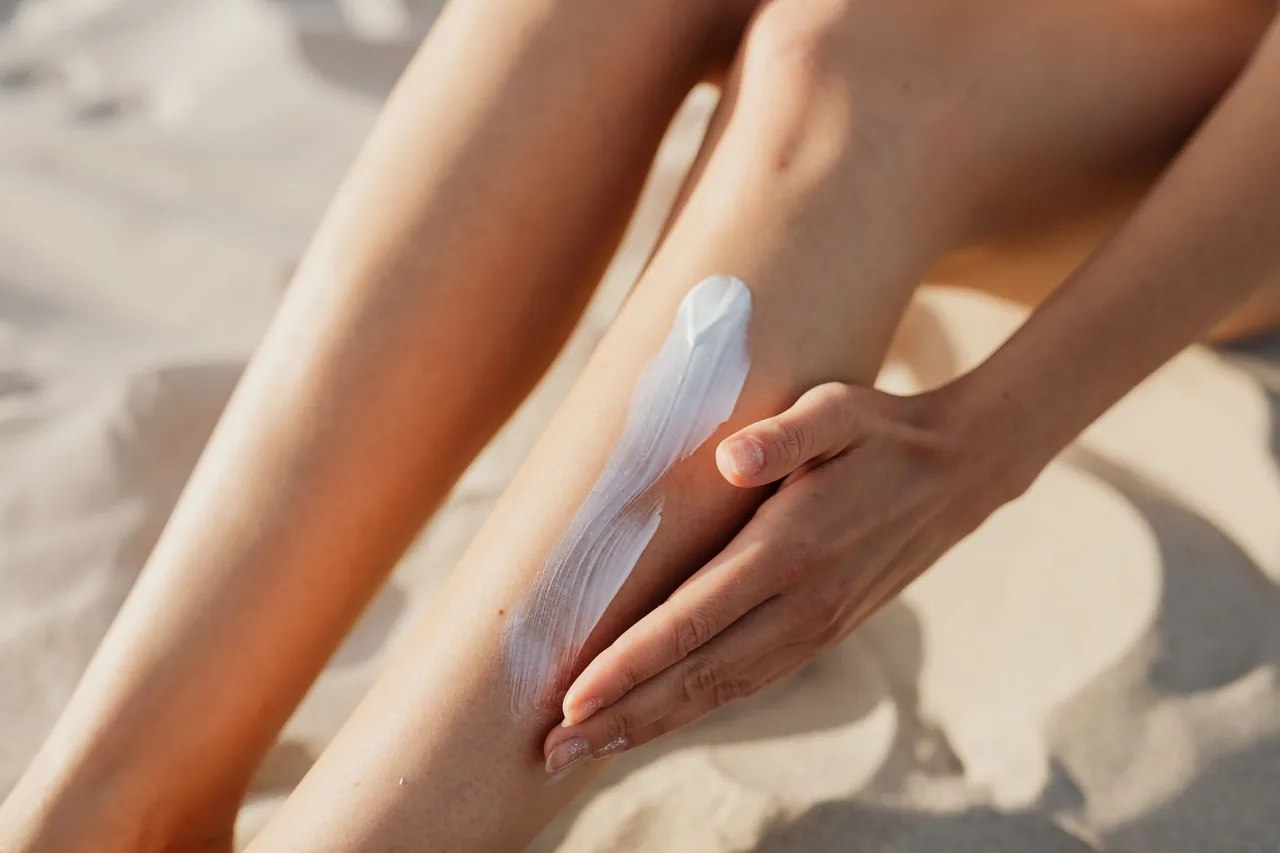
| Sun | Direct sun is not advised while the scar is still maturing; protection is needed |
Points to watch in wound care
- Do not apply cream, oil or a "herbal" mixture to the wound unless your doctor has said so.
- Silicone tape or gel is started after the wound has closed completely and on your doctor's advice.
- Do not pull the tape off yourself; it is lifted from the edge without stretching the skin.
- Itching is a normal part of healing; pressing gently on the area is better than scratching.
- Shaving, waxing and hair removal are postponed around the scar for a significant period.
What has to be reported immediately
- Redness, warmth and pain that keep increasing
- Discharge from the wound line, especially foul-smelling or yellow-green discharge
- A fever above 38 °C
- Separation of the suture line or sudden swelling
- One-sided leg swelling and pain
None of these findings is something to "wait a few days and see" about. A problem reported early is usually solved with simple measures.
For the nutrition side of recovery see Post-Operative Nutrition, and for compression see Compression Garments After Surgery.
This article is for general information only and does not replace an individual assessment.

Dr. Mustafa Keles
Specialist in Plastic, Reconstructive and Aesthetic Surgery. I offer patient-centered, personalized surgical planning in Antalya.
Do You Have Questions?
Contact us for a personal evaluation and appointment.
Consultation AppointmentSimilar Content

Frequently Asked Questions
There is no single day: it depends on how the wound was closed, whether there were drains and on the type of operation. Permission is usually given earlier when a waterproof dressing is used. Your surgeon states the exact day.
Lukewarm water running over the wound and a neutral soap are usually enough. The essentials are not to leave soap sitting on the area, not to rub and not to use a washcloth.
The sea and swimming pools are not advised before the wound has closed completely; for most operations a wait of several weeks is requested. Protection from the sun is also needed while the scar is still maturing.