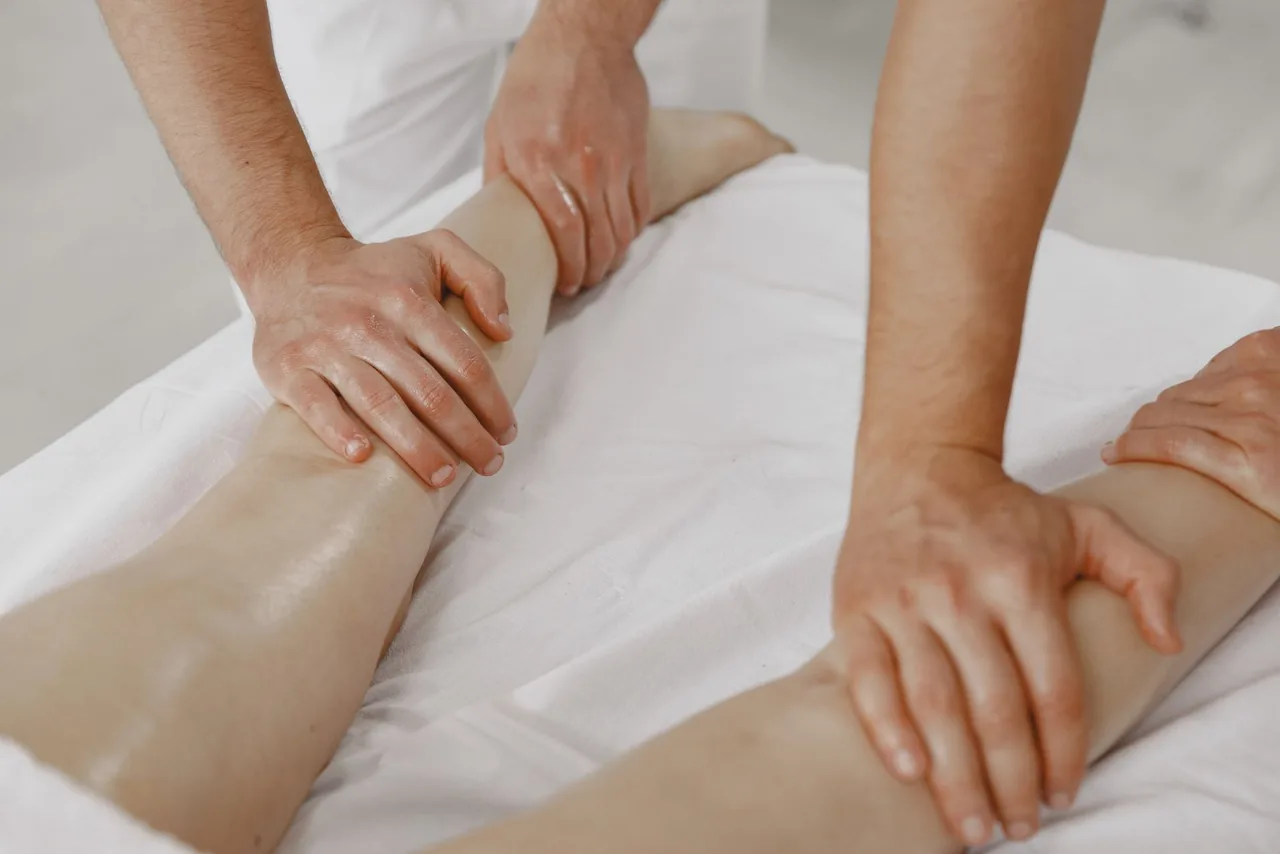
One of the suggestions heard most often after surgery is lymphatic drainage massage. Because it is called a "massage", many people expect a classic, firm treatment; in fact it is almost the opposite: a superficial, light-pressure and directional technique.
This article explains what lymphatic drainage does and does not do, when it comes up and in which situations it is postponed.
What is lymphatic drainage?
Alongside the blood circulation the body has a lymphatic circulation, which collects fluid from between the tissues and returns it to the bloodstream. After surgery the routes of this system are affected for a while and fluid builds up between tissues; part of the feeling of swelling, tightness and firmness comes from this.
Lymphatic drainage massage supports that flow with light, rhythmic movements aimed at the superficial lymph vessels in the skin. Deep muscle massage, firm kneading and fast rubbing are not this technique and may be harmful in the post-operative period.
What it can and cannot do
| What it may contribute | What should not be expected |
|---|---|
| Relief in the feeling of swelling and tightness | Melting fat tissue |
| Support for softening areas that feel firm | Changing the result of the operation |
| Increased comfort | Weight loss |
| An easier return of range of movement | Making the scar disappear |
Lymphatic drainage is not a promise of treatment but a practice that supports comfort during recovery. Swelling resolves with time in any case; the massage may help you get through that period more comfortably.
When does it start?
The starting point depends on the operation, on whether drains are in place and on the state of the wound; your surgeon decides. The general framework is:
- It is not started while drains are still in place and the wound has not closed.
- It comes up once the follow-up visit shows that healing is following the expected course.
- It is started not from the operated area itself but from the regions towards which fluid is carried.
- The number and frequency of sessions are set individually; there is no rule of "so many sessions for everyone".
Who should perform it?
The person performing it needs to be trained in manual lymphatic drainage and to know the limits of the post-operative period: which area must not be pressed, when the compression garment may be removed and how the suture line is protected should all be clear beforehand. An application by someone unfamiliar with the region and the technique causes more discomfort than benefit.
When is it not done or postponed?
- If there are signs of infection such as fever, increasing redness or discharge
- If there is an open wound, wound separation or an unhealed suture line
- If there are findings suggesting a clot, such as one-sided leg swelling, pain and increased warmth
- If your surgeon has asked that a particular area is not touched
In these situations the thing to do is not to look for a massage but to contact your doctor.
What supports it at home
- Regular and correct use of the compression garment
- Frequent short walks during the day
- Keeping the legs slightly raised while resting
- Reducing salty convenience food and drinking enough water
- For the nutrition side: Nutritional Support to Reduce Swelling After Surgery
This article is for general information only and does not replace an individual assessment.

Dr. Mustafa Keles
Specialist in Plastic, Reconstructive and Aesthetic Surgery. I offer patient-centered, personalized surgical planning in Antalya.
Do You Have Questions?
Contact us for a personal evaluation and appointment.
Consultation AppointmentSimilar Content

Frequently Asked Questions
Applied correctly it is not painful; the pressure is superficial and light. If you feel pain during the session, the technique or the timing is not right: stop and consult your doctor.
There is no single day. The state of the drains, wound healing and the type of operation are decisive, and your surgeon decides at the follow-up visit.
No. Swelling resolves on its own with time. Lymphatic drainage may help you get through this period more comfortably, but it is not a compulsory step of treatment.