Post-Operative Nutrition: Support Faster Recovery
The recovery process after plastic surgery is determined not only by the operation performed but also by how the body recovers. And one of the most critical components of this recovery is undoubtedly is nutrition. Correct food choices; It facilitates edema control, accelerates wound healing, reduces the risk of infection and contributes to the permanence of the aesthetic result achieved.
In this article, I discuss in detail the food groups you should pay particular attention to and the ones you should avoid during the post-operative period.
Essential Nutrients That Support Healing
Protein — The Cornerstone of Tissue Repair
Protein is the basic raw material of tissue repair and new cell formation after surgery. Adequate protein intake; It accelerates wound healing, prevents muscle loss and strengthens the immune system. Although the daily protein target varies depending on the type of surgery and body weight, 1.5-2 g per kilogram is generally recommended.
Kaynaklar: Eggs, chicken breast, turkey, tuna, salmon, cottage cheese, yoghurt, legumes, quinoa.
Vitamin C — Collagen Synthesis and Immunity
Vitamin C is an indispensable cofactor of collagen production. Collagen is the main structural protein of scar tissue. Adequate vitamin C intake; It positively affects wound closure and scar formation. It also reduces oxidative stress as a powerful antioxidant.
Kaynaklar: Kiwi, orange, tangerine, grapefruit, strawberry, bell pepper (especially red), broccoli, parsley.
Bromelain (Pineapple) — Natural Edema Reliever
The bromelain enzyme found in pineapple and pineapple juice can help relieve edema faster thanks to its anti-inflammatory effects. Some studies show that consuming pineapple before and after surgery reduces bruising and swelling. It can be consumed as fresh pineapple slices or freshly squeezed juice; Enzyme activity decreases in pasteurized products.
Not: Those who use blood thinning medications should discuss pineapple consumption with their physicians.
Zinc — Wound Healing and Immunity
Zinc; It plays a critical role in cell division, immune function and wound healing. Its deficiency can significantly slow wound healing.
Kaynaklar: Red meat, pumpkin seeds, sesame seeds, nuts, whole grains, eggs.
Hydration — Drink Plenty of Water
Adequate water consumption; It helps the edema to resolve faster, the kidneys to metabolize anesthesia drugs more effectively, and the normal functioning of the intestines. Aim for at least 2-2.5 liters of water daily. Sugary drinks and carbonated waters do not count as part of this goal.
"Post-operative nutrition is like a second 'treatment' for me. I observe that the healing process of my patients who increase their protein intake and adopt a diet rich in pineapple and vitamin C goes visibly smoother."
—Dr. Mustafa Keleş
Foods and Habits to Avoid
- Excessive salt: It prolongs the duration of edema and increases swelling. Processed foods, ready-made soups and fast food should be limited during this period.
- Alkol: It interacts seriously with some medications, slows healing, and can prolong the duration of edema. Definitely not recommended for at least 4-6 weeks.
- Cigarette: It narrows capillaries, impairs tissue oxygenation and seriously increases the risk of wound dehiscence. You should stay away for at least 4-6 weeks before and after surgery.
- Blood thinning foods: Consuming very high amounts of garlic, ginger, omega-3 supplements or vitamin E without your doctor's approval should be avoided in the first days.
- Excessive caffeine: It may negatively affect hydration; It is recommended to consume in moderation.
Is Nutritional Support Required?
Most patients can achieve adequate nutritional intake with a balanced diet plan. However, for individuals who have had bariatric surgery or have certain chronic conditions, protein powder, multivitamins or specific supplements may be recommended by your physician. Knowing your baseline level by having a comprehensive blood test before surgery is very valuable in this process.

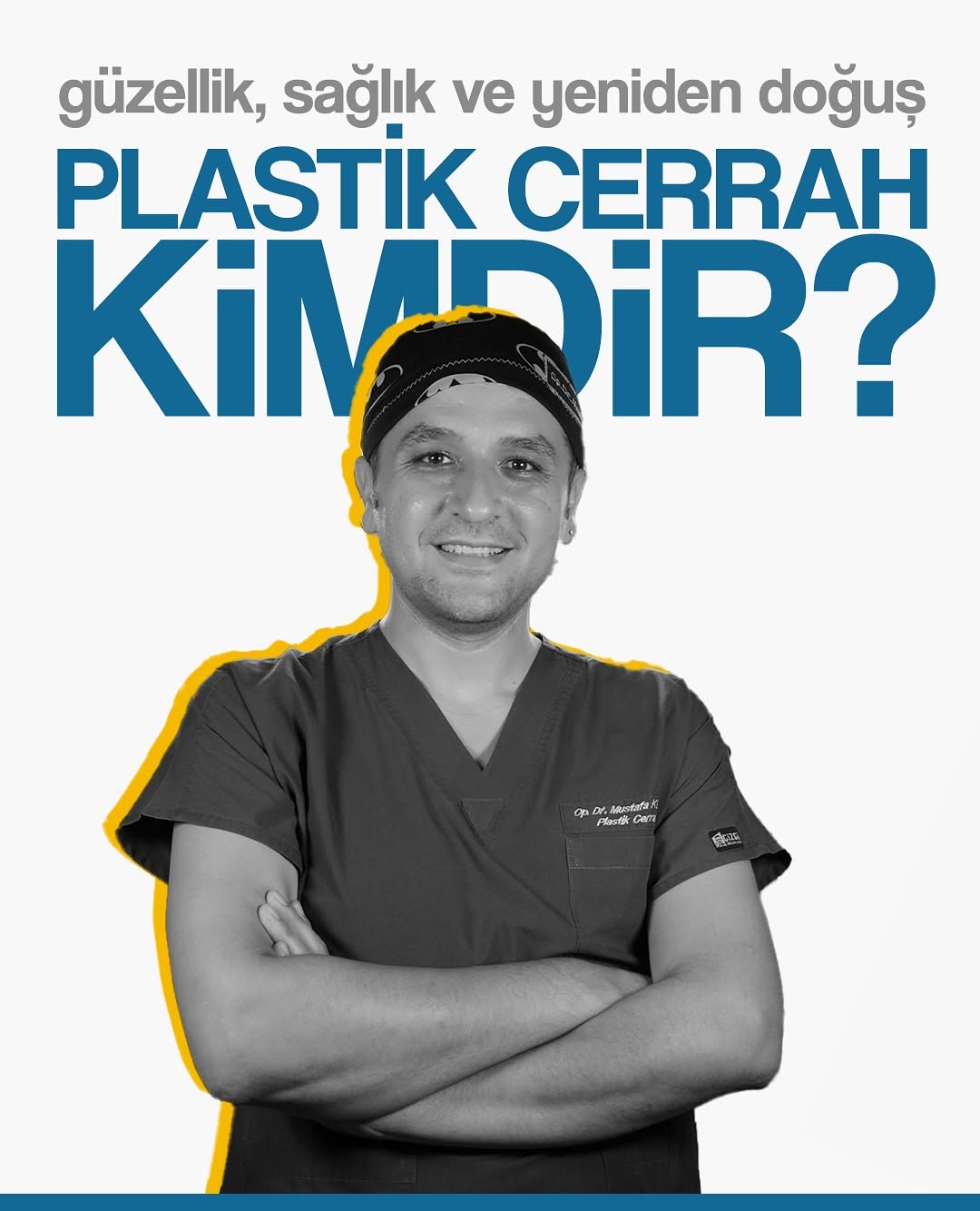
Dr. Mustafa Keleş
Specialist in Plastic, Reconstructive and Aesthetic Surgery. I offer patient-centered, personalized surgical planning in Antalya.
Do You Have Questions?
Contact us for a personal evaluation and appointment. The first meeting is free.
Free Consultation Appointment