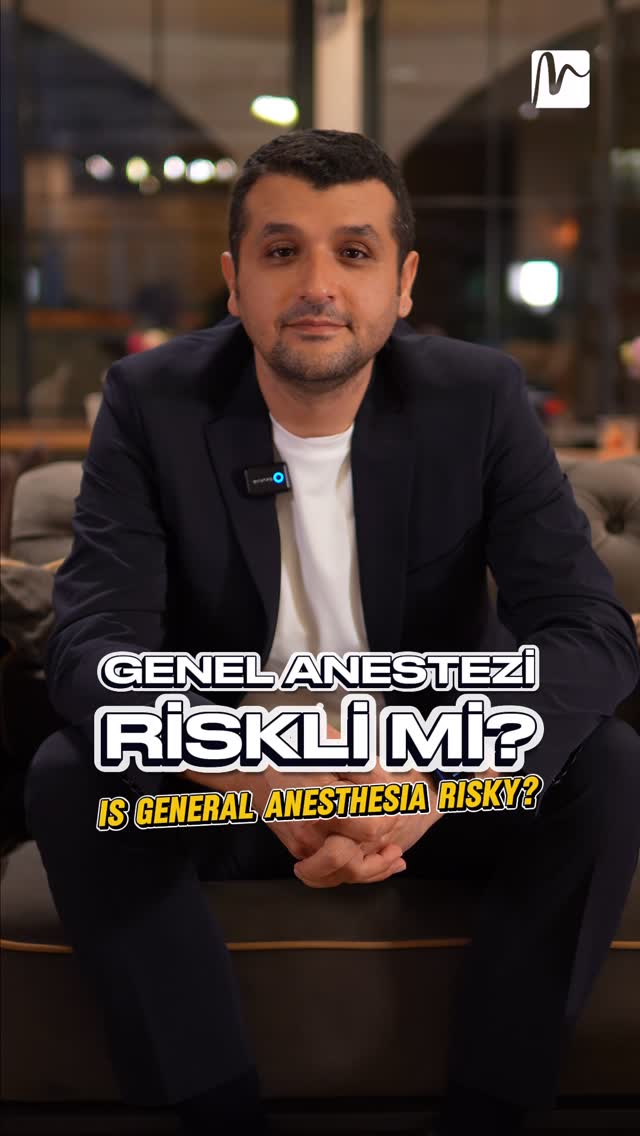
General anesthesia is one of the most controlled and safe fields of modern medicine. The most common concern experienced by patients is "Will I be able to sleep and wake up?" is the question. Thanks to the drugs, devices and monitoring standards used today, this process is monitored very closely.
What Provides Security?
- Detailed evaluation before surgery
- Anaesthesia specialist monitoring the entire process one-on-one
- Continuous monitoring of respiration, circulation and oxygenation with devices
- Adjusting drug doses individually
Who Needs Extra Care?
People with chronic diseases, smokers, older patients, or people who have previously had problems with anesthesia must be evaluated in detail. This does not mean that anesthesia is unsafe; It means planning will be done more carefully.
What to Expect from the Patient on the Day of Surgery?
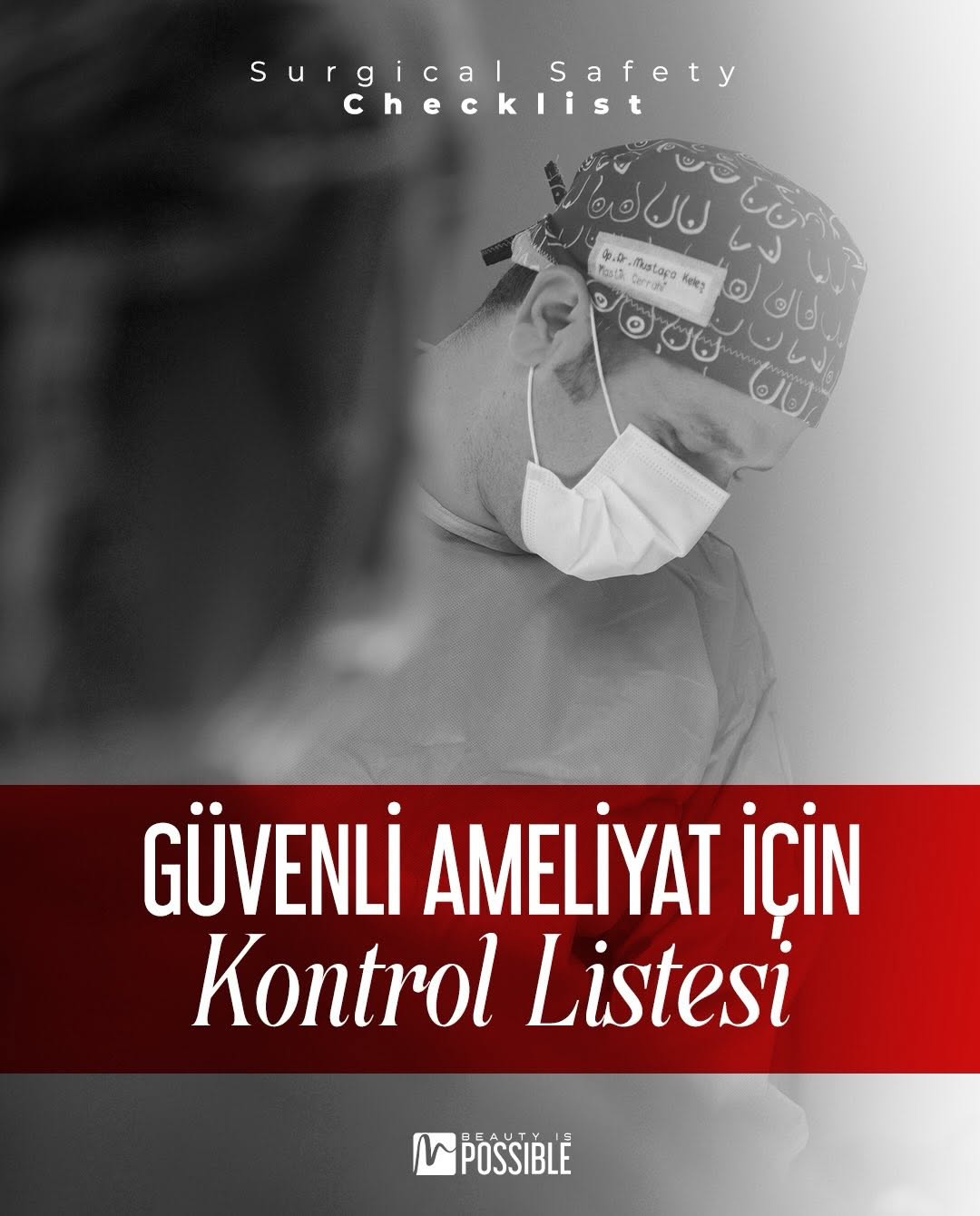
Before the patient is taken to the operating room, he is re-evaluated, vascular access is established and appropriate preparation is completed. During the procedure, sleep depth, heart rhythm, blood pressure and breathing patterns are monitored. At the end of the surgery, a safe wake-up and observation process is applied.
Most Frequently Asked Fears
- Anxiety about not being woken up
- Fear of nausea and dizziness
- Concern about allergic reactions to medications
- The question of whether the risk increases if there is a chronic disease
Many of these concerns can be clarified during the preoperative interview. Anaesthesia safety; It is a process where technology, experience and preparation work together.
Why is it important for the patient to provide honest information?
Medications used, smoking, allergies, past surgeries and chronic diseases must be shared. Risk may increase when this information is hidden; When the vulnerability is shared, the process is planned more safely.

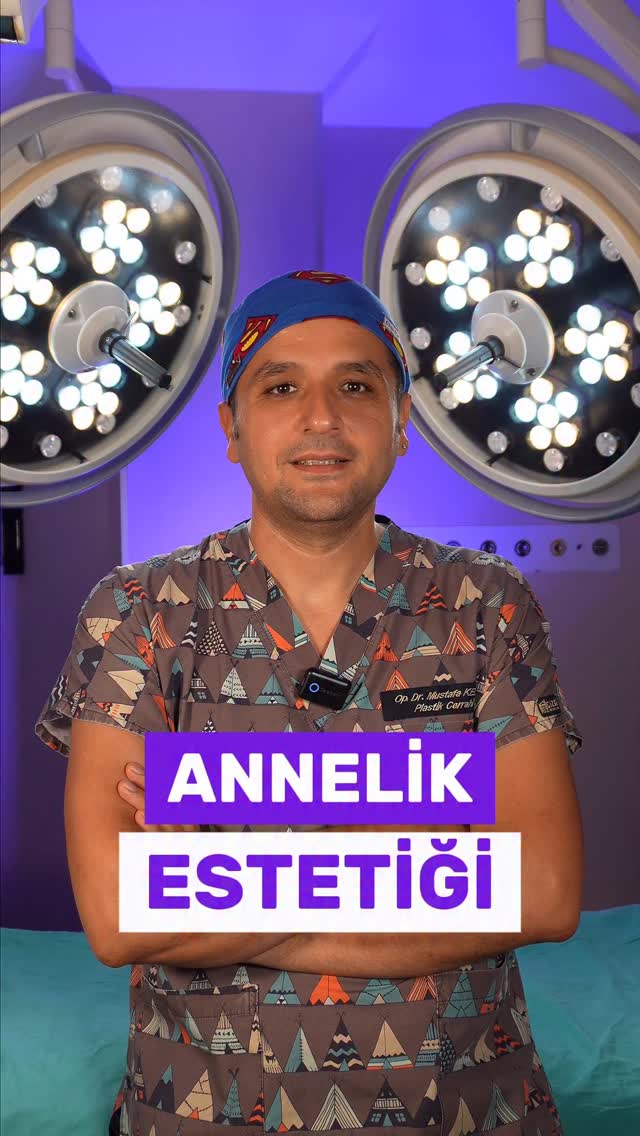
Dr. Mustafa Keleş
Specialist in Plastic, Reconstructive and Aesthetic Surgery. I provide service in Antalya with a patient-oriented, personalized and scientifically based approach. Plastic surgery is not a copying, it is a design process. Don't hesitate to ask about anything you are curious about.
Let's clarify the questions you have about anaesthesia.
We can transparently discuss all risks and the preparation process before the planned surgery.
Send Your Questions