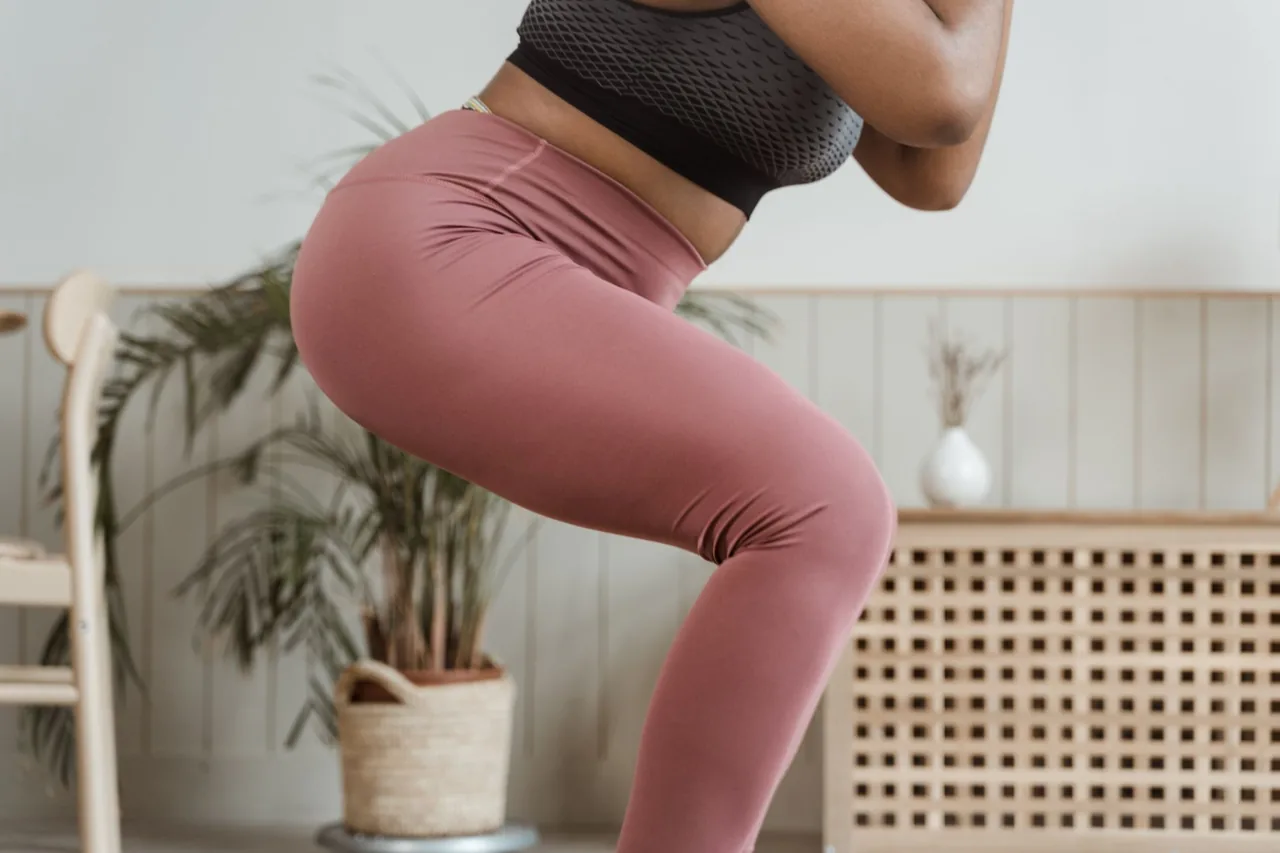
Buttock Lift: A Solution for Sagging Buttocks
Buttock aesthetics is not always about adding volume. The aim with sagging buttocks after major weight loss is to tighten and lift them up. The method for this is a buttock lift.
Who is it suitable for?
- Sagging buttock skin after major weight loss
- Those with significant looseness in the lower buttock fold
- Those who want lifting and firming rather than more volume
How Is It Performed?
Excess skin is removed through an incision, usually planned in the upper buttock line or lower crease, and the buttock tissue is moved up. If necessary, volume can also be supported with fat injection.
The Result
The buttocks gain a more lifted, firmer and more balanced shape. The scar is planned so that it can be hidden under clothing.
Where Is the Incision Planned?
The location of the incision is chosen according to where the excess skin gathers and in which direction the buttocks need to be lifted. The incision line is marked before surgery while you are standing, and the two sides are compared to check symmetry; the style of underwear or swimwear you usually wear can be taken into account in this planning.
- Lift from the upper line: The incision is made below the waist along the upper border of the buttocks, and the buttocks are suspended upward. If sagging after major weight loss also involves the waistline, this incision can be planned as part of a circumferential lower body lift that also includes the abdomen and flanks.
- Lift from the lower fold: Excess skin is removed along the lower buttock fold. This may be preferred when the excess skin is concentrated in the lower part; however, it can reduce the roundness of the buttocks and make them look flatter, and the scar lies in an area that is stretched when sitting and walking.
- Volume support with your own tissue: Fat and tissue under the skin that would normally be discarded can be placed beneath the buttocks after the top layer of skin is removed, to add volume. This option comes up for people whose buttocks have flattened after major weight loss.
What Is Evaluated Before Surgery?
- Stable weight: If weight loss is still ongoing, new sagging may develop after surgery. Weight is usually expected to stay stable for several months; after bariatric surgery, this period may be longer.
- Nutrition and blood values: Deficiencies in protein, iron, and certain vitamins can slow the healing of large wounds, so blood tests before surgery are important.
- Nicotine: Cigarettes and other nicotine products reduce blood flow to the tissues and increase the risk of the wound opening.
- Clot risk: In long operations performed in the face-down position, the risk of clots forming in the leg veins becomes important. Your personal risk is assessed, and early walking, compression stockings, and, when needed, preventive medication are planned.
- Other areas: If there is also excess skin on the abdomen, thighs, or arms, which procedures are done in the same session and which are staged is decided according to the total operating time.
The general framework for deciding whether volume, lifting, or both are needed is covered in the article buttock aesthetics methods.
Recovery Points Specific to a Buttock Lift
The incision line lies in an area that is stretched when you sit, bend forward, or bend your legs. For this reason, in the first weeks it is advisable to avoid bending forward deeply, sitting in the same position for long periods, and putting direct pressure on the incision. When and how sitting is allowed again depends on the procedure performed; if fat injection was also added, the rules described in how to sit after buttock aesthetic surgery also apply.
With incisions along the upper line, the point where the two sides meet in the middle, at the level of the tailbone, is under the most tension; small wound separations are relatively common there and usually close with dressings. Fluid may also collect under the skin; if you notice a soft, fluctuating swelling, tell your surgeon. The scar is pink and noticeable in the first months, and it usually takes about a year to mature. Pain and a feeling of tightness are most noticeable in the first days; starting to walk early, as your surgeon recommends, supports circulation and makes recovery easier.
"The solution for sagging buttocks is not to add volume, but to move the existing tissue correctly. The aim is an upright, balanced and natural form."
—Dr. Mustafa Keles
We determine the appropriate approach for you (lift, volume or combination) after the examination.

Dr. Mustafa Keles
Specialist in Plastic, Reconstructive and Aesthetic Surgery. I offer patient-centered, personalized surgical planning in Antalya.
Do You Have Questions?
Contact us for a personal evaluation and appointment.
Consultation AppointmentSimilar Content


Frequently Asked Questions
When weight loss has left sagging; adding volume alone does not correct the line in that case.
As a horizontal line at the waist, planned to stay under underwear and swimwear.
Daily life at two to three weeks; sitting restrictions and the compression garment continue as your surgeon plans.