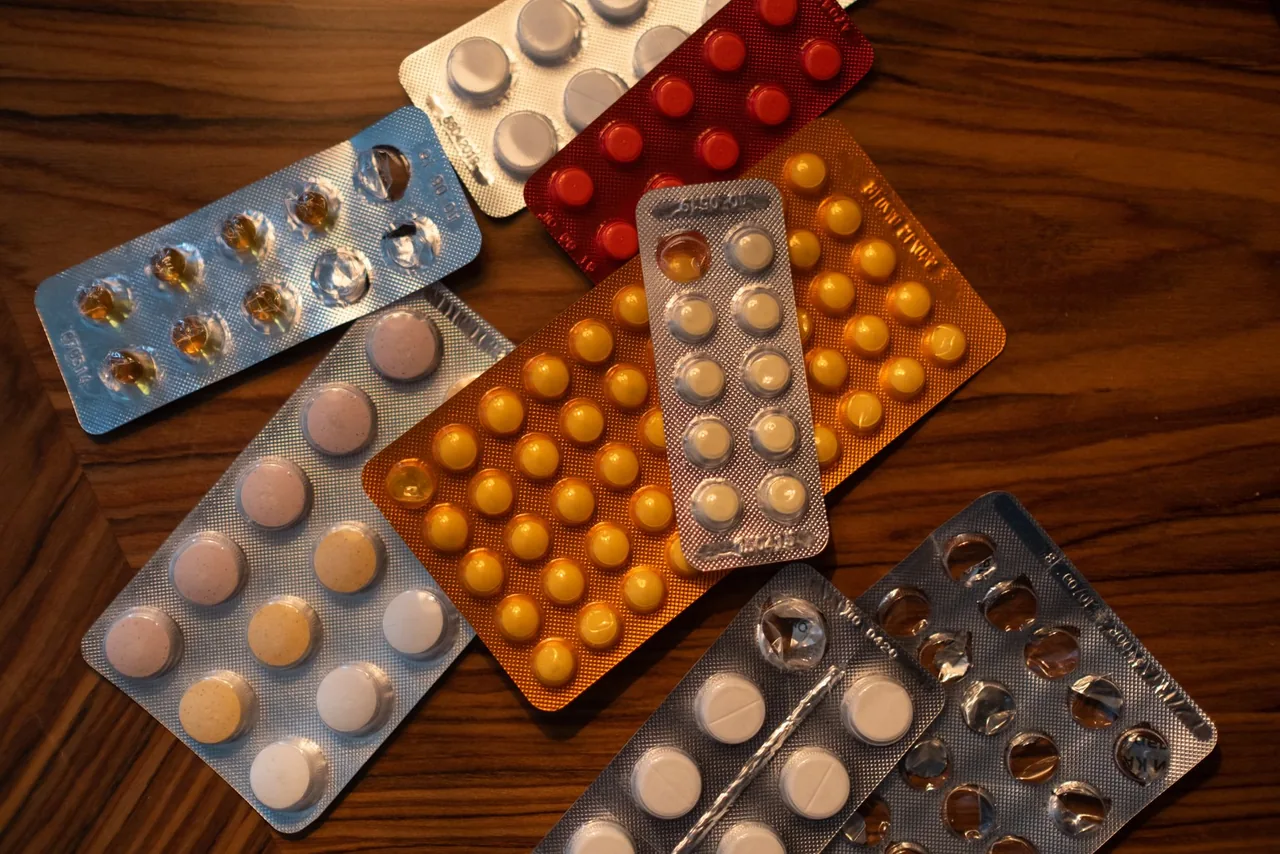
The part of a pre-operative consultation that is most easily skipped is the medication list. Most people mention their prescription drugs; the painkiller, the vitamin, the slimming tea or the supplement bought at the gym is not counted as "medicine". Yet for surgical safety some of these products matter as much as prescription drugs.
This article explains what needs to be reported in full before surgery and why certain products come up. Nothing written here is an instruction to stop or continue any medicine; that decision is made jointly by the doctor who prescribed it and your surgeon.
Why does it matter this much?
- Bleeding and haematoma: products that affect blood clotting may increase the tendency to bleed during and after surgery.
- Interaction with anaesthesia: some herbal products can prolong the effect of anaesthetic drugs or cause swings in blood pressure.
- Wound healing: some products affect tissue healing and resistance to infection.
The full list of what to tell your doctor
- All prescription medicines (including those for blood pressure, thyroid, diabetes, the heart, psychiatry and rheumatic disease)
- Over-the-counter painkillers and cold remedies
- Blood thinners and anti-clotting medicines
- Contraceptive pills and hormone treatments
- Vitamin and mineral supplements
- Herbal products, herbal teas, slimming and "detox" products
- Sports supplements, protein and fat-burner products
- Medicated creams and patches applied to the skin
- Allergies and any previous reactions to medicines
Bringing the box, or a photograph of it, is far safer than describing "a yellow tablet".
Products that may increase the tendency to bleed
The table below summarises the groups that come up most often. The "general approach" column is for information; timing and decisions vary from person to person.
| Group | Common examples | Why it comes up |
|---|---|---|
| Painkillers / anti-inflammatories | Acetylsalicylic acid, ibuprofen-type drugs | Affect the function of blood platelets |
| Blood thinners | Prescription anti-clotting medicines | Directly increase bleeding risk |
| Vitamins and fatty acids | Vitamin E, fish oil / omega-3 | In high doses may affect clotting |
| Herbal products | Ginkgo, ginseng, garlic and ginger supplements, turmeric | May increase the tendency to bleed |
| Herbal mood products | St John's wort | Interacts with anaesthetic and other drugs |
| Slimming products | Mixtures with undeclared contents | Unpredictable because the content is unknown |
Important warning: if you take a prescribed blood thinner, do not stop it on your own. These medicines are usually given to reduce the risk of clots; stopping them without a plan may create a greater risk than the operation itself. The decision belongs to the doctor who prescribed it.
Smoking, alcohol and nicotine products
Nicotine narrows the blood vessels and reduces blood flow to the tissue, which directly affects wound healing. We covered this in detail in How Does Smoking Affect Plastic Surgery. Nicotine patches, gum and e-cigarettes also contain nicotine; they need to be mentioned as well when you say "I don't smoke".
Which medicines are taken on the day of surgery?
Some medicines, such as those for blood pressure, the thyroid or epilepsy, may be taken on the morning of surgery with a sip of water; others should not be taken. This list is personal and is settled during the anaesthetic assessment. For the general framework see Anaesthesia and Safety.
When are they restarted after surgery?
The time to restart anything that was paused is also decided by your doctor, usually once the bleeding risk has fallen and the wound has closed. Ask for written instructions on which painkiller you may use when you are discharged: not every painkiller is suitable in the post-operative period.
Practical preparation
- Collect everything you use in a single list and photograph the boxes.
- Share the list weeks before surgery; a list left to the last day makes preparation harder.
- Do not start a new supplement on your own initiative before surgery.
- Report any change (a new medicine, a change of dose).
This article is for general information only and does not replace an individual assessment.

Dr. Mustafa Keles
Specialist in Plastic, Reconstructive and Aesthetic Surgery. I offer patient-centered, personalized surgical planning in Antalya.
Do You Have Questions?
Contact us for a personal evaluation and appointment.
Consultation AppointmentSimilar Content



Frequently Asked Questions
That decision belongs to the doctor who prescribed it. In some people aspirin is given to protect the heart and vessels, and stopping it without a plan can be harmful. Your surgeon and the prescribing doctor decide together during the pre-operative assessment.
Most herbal teas taken as part of daily life are not a problem; the concern is high-dose herbal supplements and mixtures with unknown contents. Even so, it is right to report anything you use regularly.
Yes. Hormone-containing medicines are part of the assessment of clotting risk. Whether it is continued depends on the type of surgery and your personal risk profile, and your doctor decides.