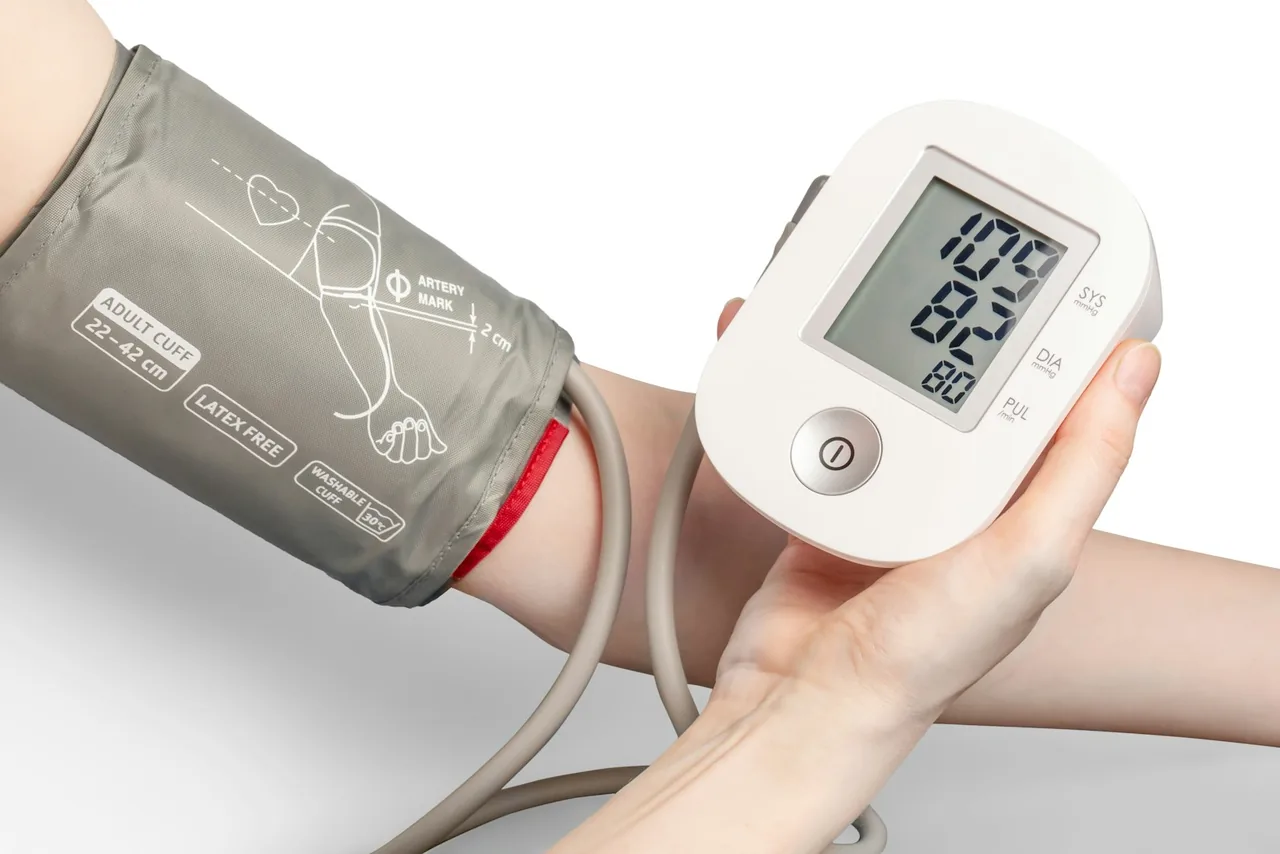
Having a chronic condition is not in itself an obstacle to cosmetic surgery. What matters is whether the condition is under control. Most cosmetic operations are procedures whose timing can be chosen, which leaves enough time for preparation.
This article gathers what is assessed before surgery in the situations encountered most often. The decision is always individual and is made together with the anaesthetic assessment.
The common framework: pre-operative assessment
- A list of every medicine used (in detail: Medications and Herbal Supplements Before Surgery)
- An up-to-date assessment by the doctor who follows the condition
- The necessary laboratory tests and imaging
- Assessment and approval by the anaesthetist
- Where and with whom post-operative care will continue
Setting a date before these steps are complete does not speed anything up; it only makes a last-minute postponement more likely. We covered which documents are needed in Documents Needed Before and After Surgery.
Situations encountered most often
| Condition | Expected before surgery | Why |
|---|---|---|
| High blood pressure | Regular use of medication and controlled readings | Uncontrolled blood pressure increases bleeding and haematoma risk |
| Thyroid disease | Hormone levels in balance | Unbalanced thyroid affects heart rhythm and healing |
| Sleep apnoea | A clear diagnosis; bringing the device if one is used | Sensitivity to anaesthesia and painkillers may be increased |
| Asthma | No recent attack, medication available | Management of the airway during surgery |
| Heart and vascular disease | An opinion on fitness for surgery from the treating doctor | Additional risks defined in advance |
| History of clots | Risk assessment and planning of preventive measures | Reducing the risk of clots after surgery |
Diabetes
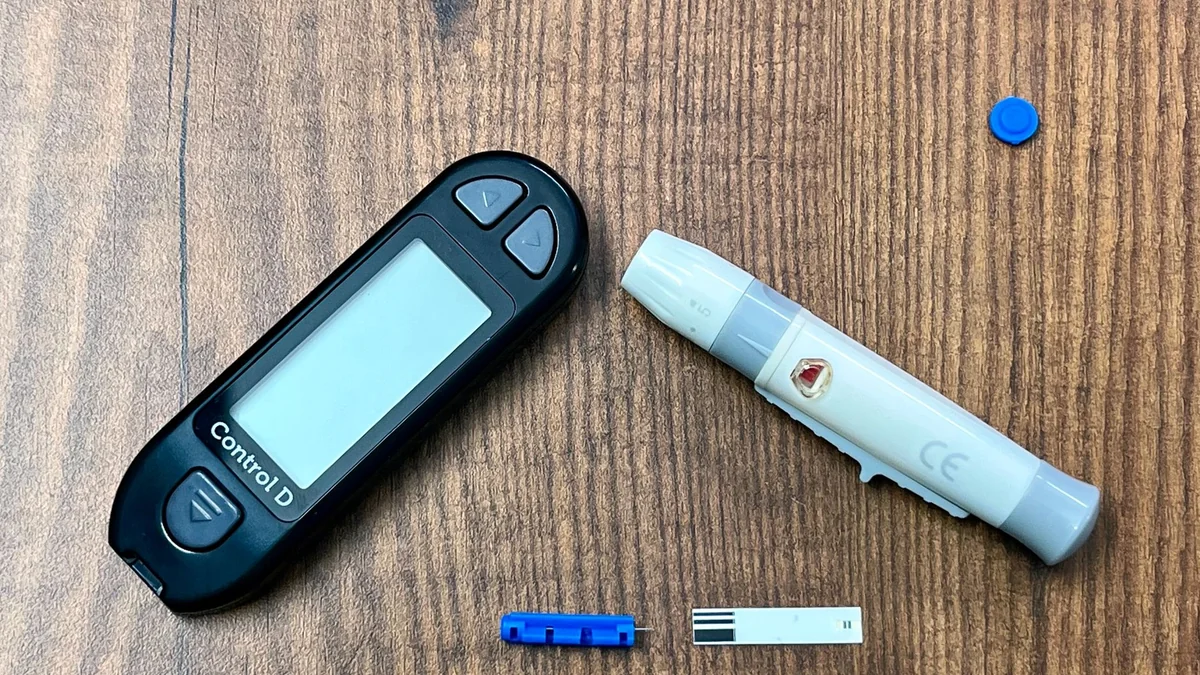
Diabetes is handled separately because of wound healing and infection risk, and blood sugar is expected to be balanced before surgery. We covered this in the context of abdominoplasty in Tummy Tuck With Diabetes.
Why is sleep apnoea a separate heading?
In people with sleep apnoea, breathing may be more sensitive to anaesthetic and pain-relieving drugs. If the diagnosis has been made and a device is used, you are asked to bring it to hospital. If no diagnosis has been made but there are signs such as loud snoring or marked daytime sleepiness, this must be shared before surgery.
When is surgery postponed?
- If the condition has not been brought under control
- If there has been a recent cardiac event, serious infection or attack
- If the necessary tests have not been completed
- If the medication regime has just been changed and its effect has not settled
A postponement is not a setback but part of planning. Being able to choose the timing is the greatest safety advantage in cosmetic surgery.
The post-operative period
For people with a chronic condition the post-operative period also runs slightly differently: when medicines will be restarted, how often measurements are taken and which signs must be reported immediately are all discussed in writing at discharge. Pain management is planned with interactions with other medicines in mind.
This article is for general information only and does not replace an individual assessment.

Dr. Mustafa Keles
Specialist in Plastic, Reconstructive and Aesthetic Surgery. I offer patient-centered, personalized surgical planning in Antalya.
Do You Have Questions?
Contact us for a personal evaluation and appointment.
Consultation AppointmentSimilar Content


Frequently Asked Questions
Surgery can be planned for many people whose blood pressure is controlled with medication. What matters is that the readings are stable and that approval is given at the anaesthetic assessment.
If you use a device you are usually asked to bring it. Because its settings and your mask suit you, using it makes the post-operative period easier.
Risk has less to do with the condition itself than with how well it is controlled and how completely the preparation is done. That is why the pre-operative assessment and the treating doctor's opinion are never skipped.