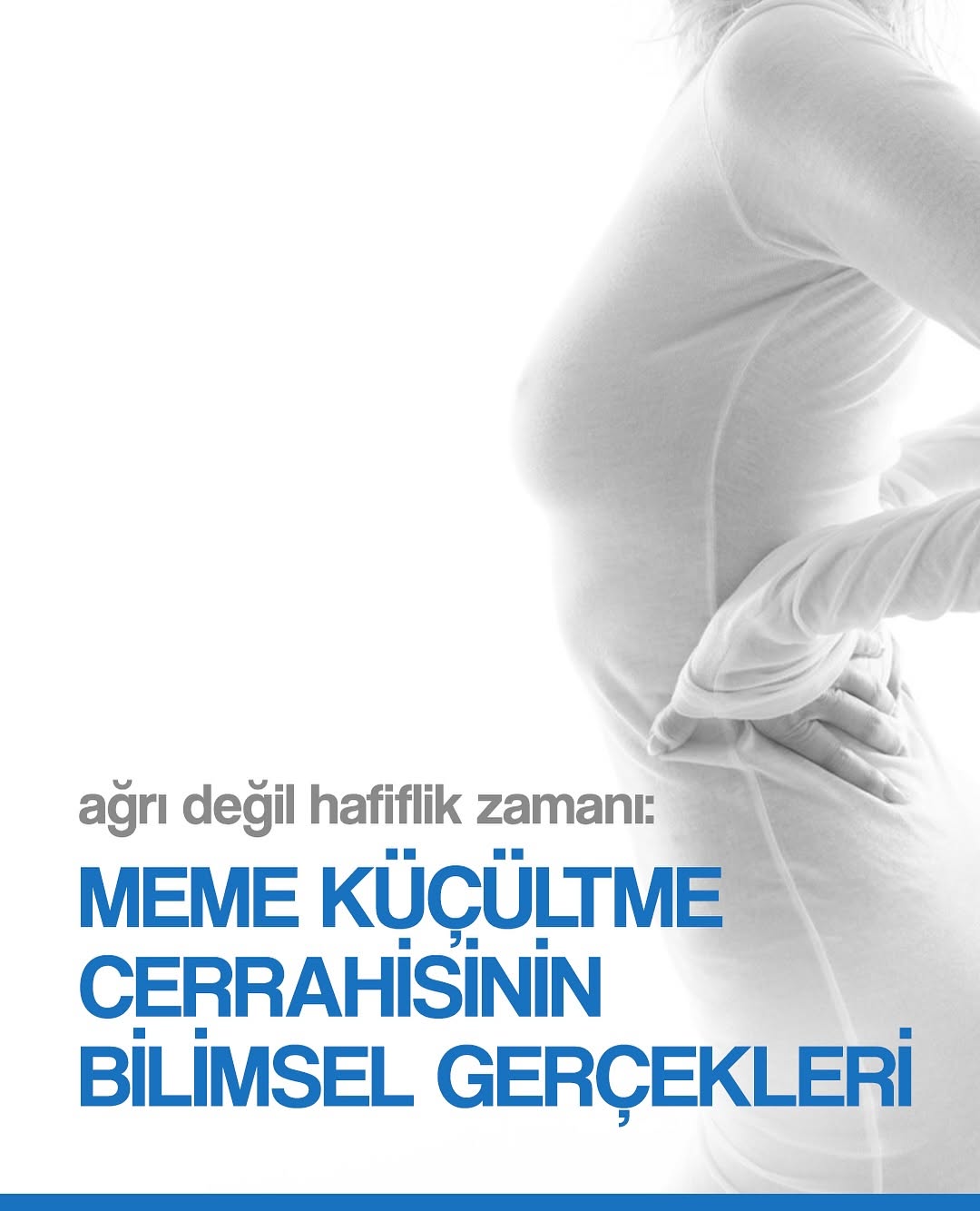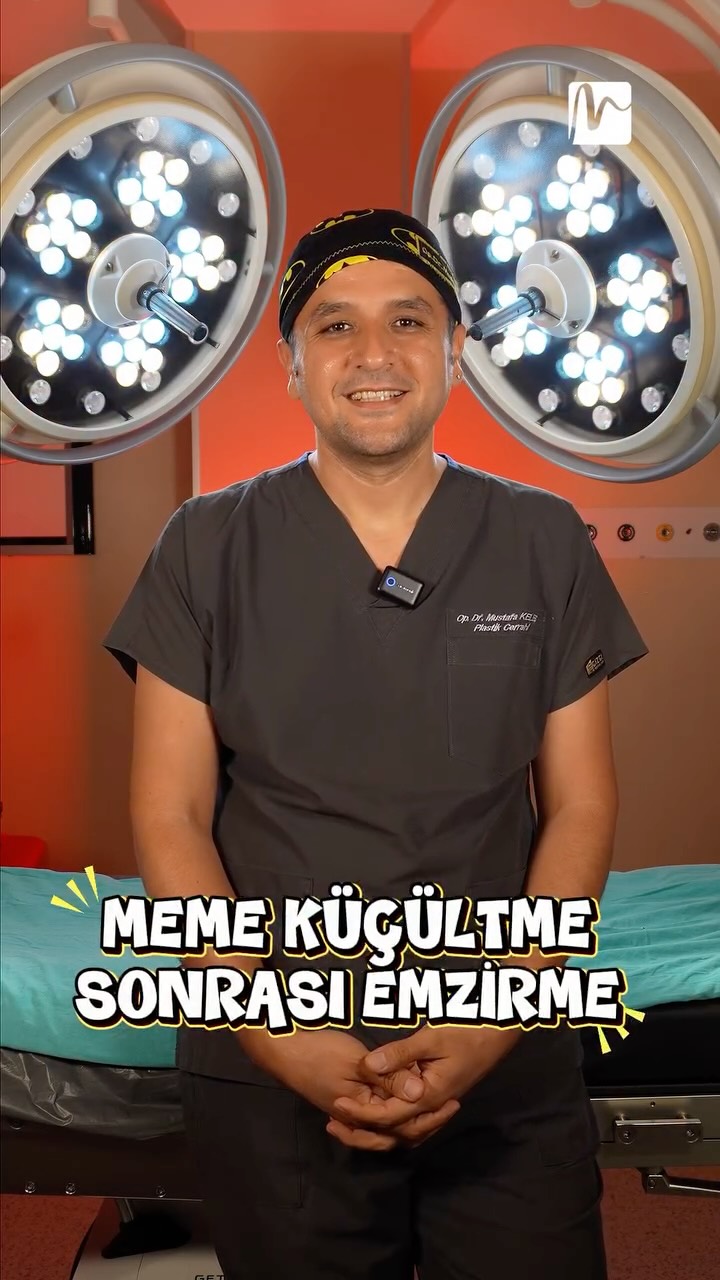
One of the most frequently asked questions by patients considering breast reduction is whether breastfeeding will be affected. The short answer is: breastfeeding is possible in many patients; However, this may vary depending on the surgical technique used, the structure of the breast tissue and personal anatomy.
Our goal is not just to reduce volume; The aim is to plan a safe reduction by preserving the circulation, nerves and milk ducts of the nipple as much as possible.
Why Isn't Breastfeeding Evaluated the Same Way in Every Patient?
In breast reduction surgery, excess skin, fat and breast tissue are removed while the nipple is moved to a more ideal level. Meanwhile, the milk ducts and the structures that nourish the nipple are protected as much as possible. However, in very large reductions or more anatomically challenging cases, breastfeeding capacity may be affected differently.
Why is Surgical Technique Important?
- Techniques that protect the vascular and nerve connections of the nipple are of priority.
- When planning, not only the aesthetic result but also functional protection is taken into consideration.
- The same technique is not suitable for every patient; Selection is made by examination.
How to Set Realistic Expectations?
Future breastfeeding capacity cannot be 100% guaranteed with any surgical method. This is not just because of the surgery; The person's hormonal structure, postpartum milk production and existing breast anatomy are also determining factors.
However, in breast reduction surgeries planned with the correct technique, there are many patients who go through the process without experiencing any significant problems with breastfeeding.
Who Should Especially Discuss This Issue in Advance?
- Patients planning a future pregnancy
- Those who have had problems with breastfeeding before
- Those requiring advanced reduction due to very large breast volume
- Patients with borderline anatomy in terms of nipple circulation and tissue quality
What Do I Evaluate During the Examination?
During the examination, not only the breast size; I evaluate the skin quality, the current position of the nipple, the fold under the breast, shoulder and back complaints and future expectations together. In this way, a plan can be made that is both comfortable in terms of health and preserves function as much as possible.
The best approach is a reduction plan tailored to the individual rather than "the same technique for everyone". This gives more balanced results in both aesthetic and functional terms in the long run.

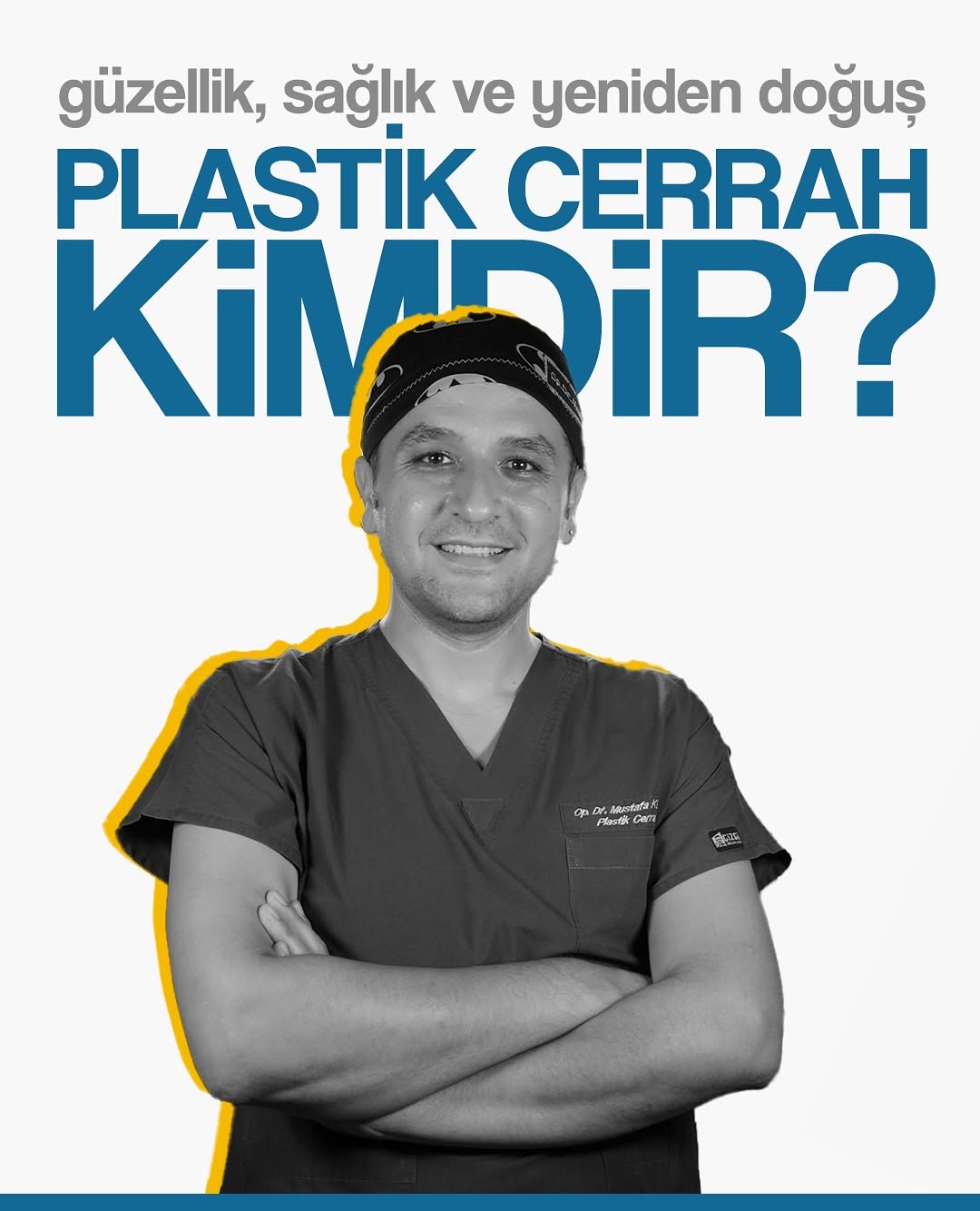
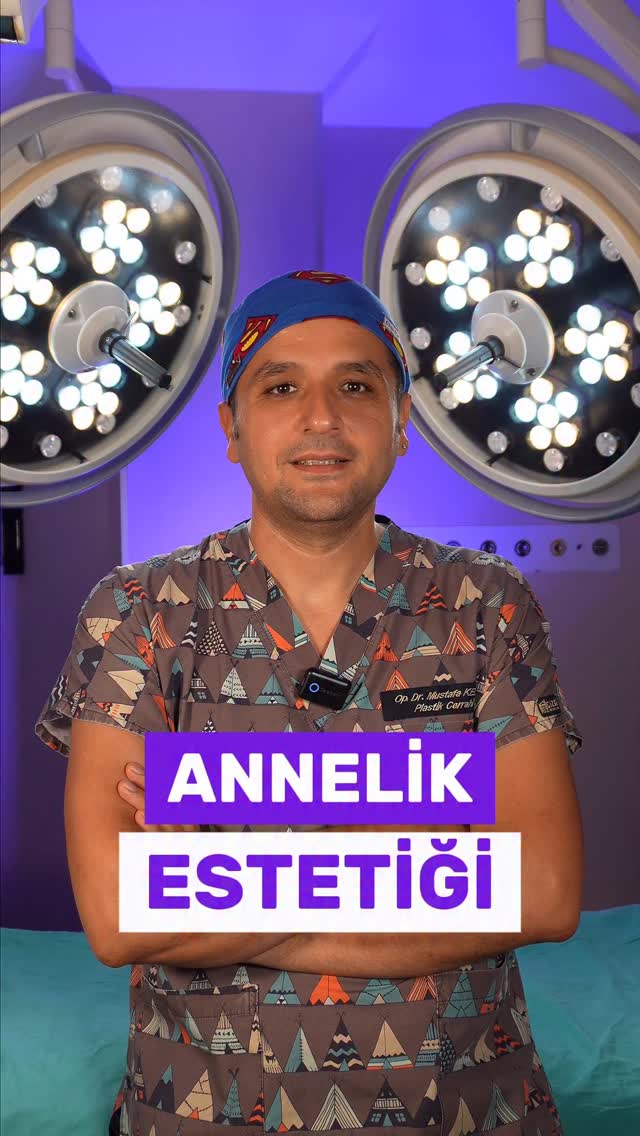
Dr. Mustafa Keleş
Specialist in Plastic, Reconstructive and Aesthetic Surgery. I provide service in Antalya with a patient-oriented, personalized and scientifically based approach. Plastic surgery is not a copying, it is a design process. Don't hesitate to ask about anything you are curious about.
Let's evaluate your breast reduction plan together
Together, we can discuss your aesthetic goals, health needs, and future breastfeeding expectations.
Create an Appointment