Breast Reduction: Not Only Aesthetic, But Also a Health Issue
Breast reduction surgery is perceived in society as an operation performed solely for aesthetic concerns. However, the reality presents a much broader picture: Excessively large breasts can lead to physical health problems that seriously reduce the quality of life of many women. In this article, I will discuss breast reduction surgery from both its health and aesthetic aspects.
Health Problems Caused by Big Breasts
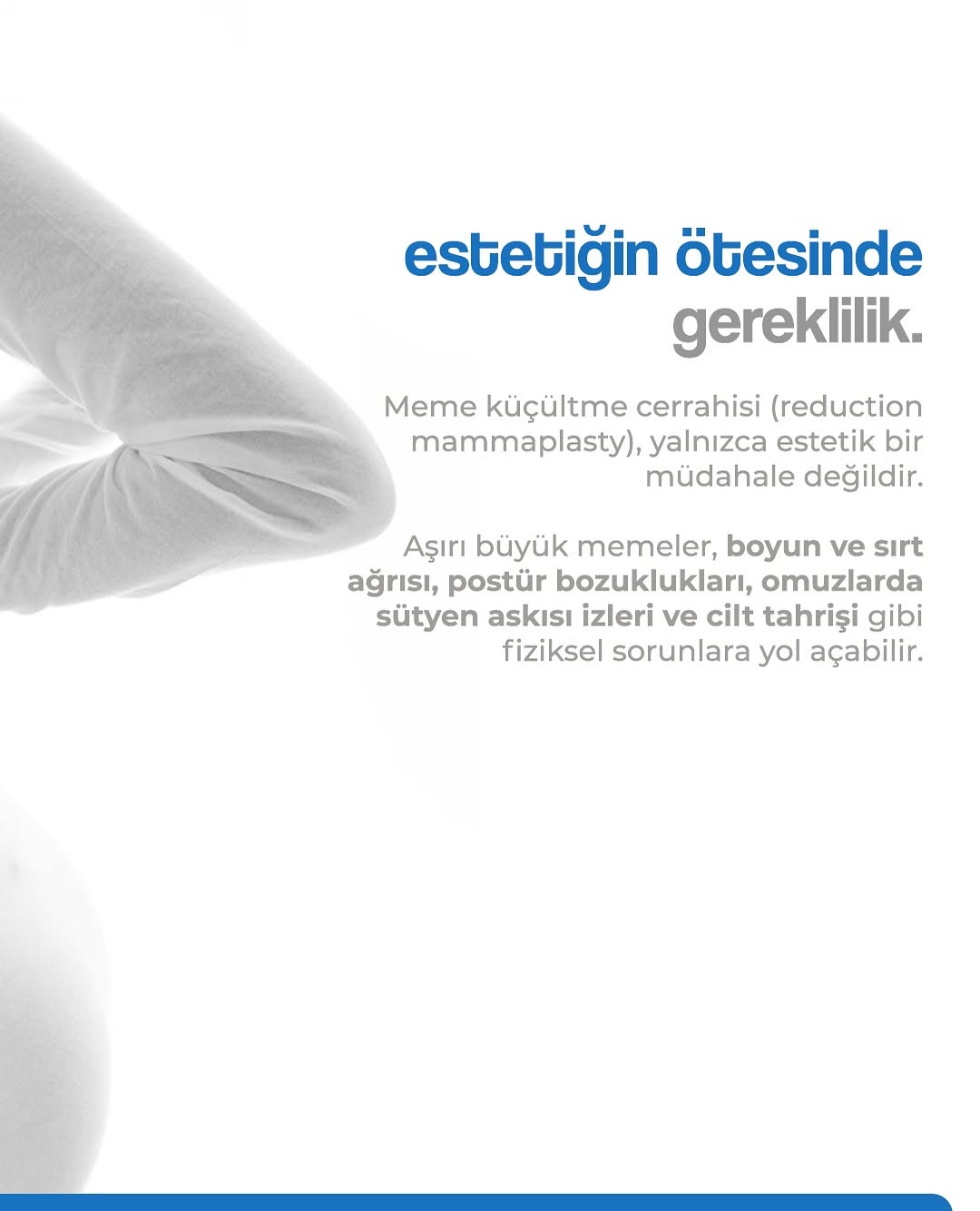
Overly large breasts (macromastia or hypertrophy) can cause the following problems in women:
- Neck and shoulder pain: The weight of the breasts leads to scarring of the shoulder straps and chronic tension of the trapezius muscles.
- Back and spine problems: Overload, especially in the waist area, can turn into spinal disorders over time.
- Posture disorder: Due to the center of gravity shifting forward, the shoulders collapse and the neck leans forward.
- Exercise limitation: Pain and discomfort experienced during physical activity can make sports almost impossible.
- Skin irritation: Skin problems such as sweating, redness, fungus and rash under the breast are common.
- Sleep disorder: Large breasts can create uncomfortable pressure even when you sleep.
How is the decision for surgery made?
In the process of deciding on breast reduction surgery, a comprehensive examination is first performed. Breast size, tissue, nipple position, skin elasticity and patient expectations are evaluated in detail. The patient's general health condition, chronic diseases and current medication use are also taken into consideration. In this meeting, where expectations are discussed realistically, the surgery plan is prepared individually.
"The vast majority of my patients who come for breast reduction surgery ask me, 'Why didn't I do it before?' he asks. "After years of back pain, inability to exercise and clothing problems, this operation can be truly life-changing."
—Dr. Mustafa Keleş
How is the Surgery Done?
Reduction mammoplasty is performed under general anesthesia. During the surgery, excess breast tissue, fat and skin are removed; the nipple and areola are moved to a higher position. The average duration of surgery is 2-4 hours. The most commonly used technique is the "anchor incision" technique; However, in cases where less tissue will be removed, the vertical incision (lollipop) technique may also be preferred. The technique to be chosen is determined by the amount of tissue to be removed and the displacement required by the nipple.
Recovery Process
After the surgery, you will stay under observation in the hospital for 1-2 days. Mild pain and swelling are expected in the first few days; It can be easily managed with painkillers. The use of a sports bra is recommended for 6-8 weeks. While straight incisions heal in about 2 weeks, scar maturation can take 12-18 months. Protection from the sun is important for the scar to fade. Çoğu hasta 1-2 hafta sonra ofis işlerine, 4-6 hafta sonra spora geri dönebilir.
Breastfeeding Question
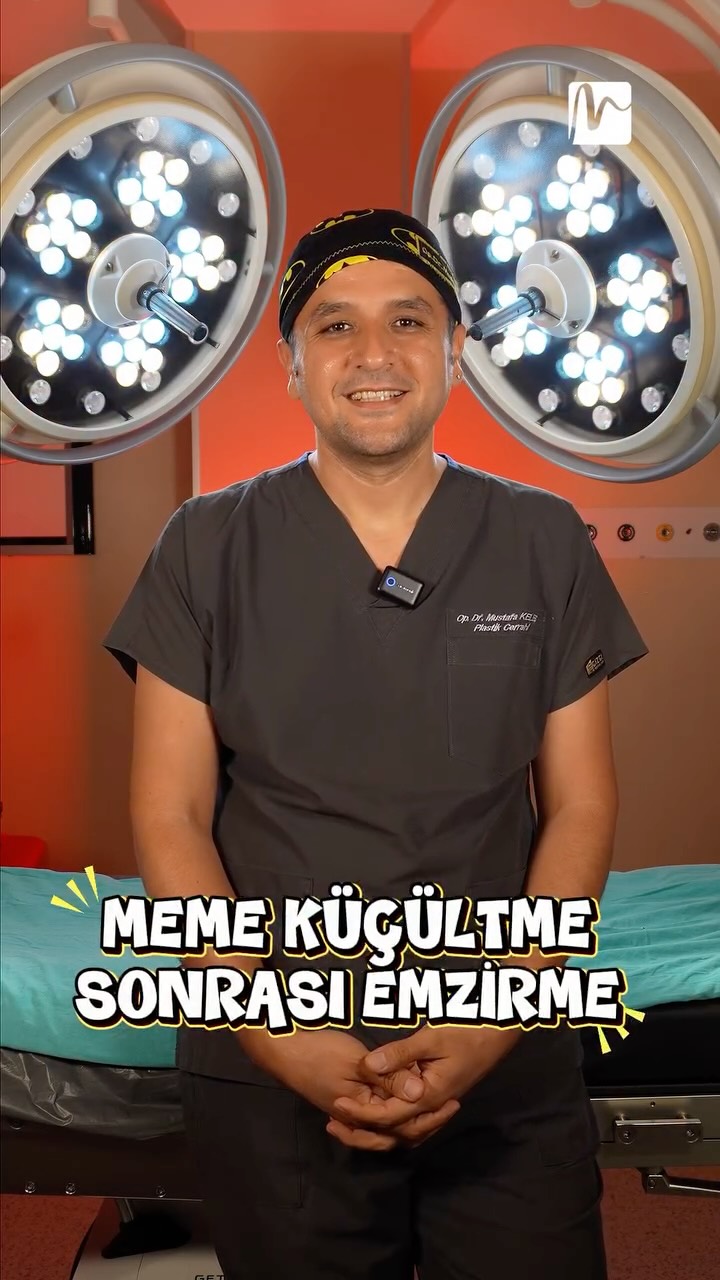
Does breast reduction surgery affect the milk ducts? This is one of the most frequently asked questions. Depending on the technique used, the bond between the nipple-areola and the milk ducts is tried to be preserved. However, it is not possible to guarantee that breastfeeding capacity will be fully preserved for all techniques. Therefore, patients who prioritize breastfeeding should openly share this issue with their doctors before proceeding with the surgery.

Dr. Mustafa Keleş
Specialist in Plastic, Reconstructive and Aesthetic Surgery. I offer patient-centered, personalized surgical planning in Antalya.
Do You Have Questions?
Contact us for a personal evaluation and appointment. The first meeting is free.
Free Consultation Appointment